

How to Choose Aesthetic Home Essentials for Beginners
Table of Contents
- How to Find Your Home Design Style
- Define Your Color Palette and Mood
- First Apartment Essentials Checklist: The Foundation
- Invest in Anchor Furniture and Statement Pieces
- Minimalist Home Decor Essentials That Work
- Balance Aesthetics With Functionality and Budget
- Lighting and Textiles: The Finishing Touches
- Frequently Asked Questions
Last Updated: August 31, 2026
How to Find Your Home Design Style
Choosing aesthetic home essentials for beginners starts with understanding what you actually like to look at every day. This isn't about following Instagram trends or buying what's popular, it's about identifying the visual language that makes you feel at home. At Uniq Trenz, we help customers build cohesive spaces by starting with this foundational step: knowing your design style before you buy anything.
Your design style is the visual backbone of every choice that follows. Without it, you end up with a mismatched collection of pieces that look nice individually but clash when placed together. The result feels chaotic rather than curated.
Start by gathering inspiration. Spend 15-20 minutes scrolling through design platforms and saving images that genuinely appeal to you, not what you think you should like, but what actually catches your eye. Look for patterns in your selections. Do most images feature clean lines and minimal clutter? Warm wood tones and layered textures? Bold colors or neutral palettes? These patterns reveal your natural aesthetic preferences.
Next, name your style. Common design styles include minimalist, industrial, bohemian, mid-century modern, farmhouse, contemporary, and maximalist. You don't need to fit perfectly into one category, many people blend two or three. The point is having a clear reference point when shopping for furniture and decor.
Once you've identified your style direction, use it as a filter for every purchase decision. Does this piece align with the aesthetic you're building? If the answer is no, skip it. This single question prevents impulse buying and keeps your space feeling intentional rather than accidental.
Define Your Color Palette and Mood
Your color palette is the emotional foundation of your home. It determines whether your space feels energizing or calming, sophisticated or playful. This is where psychology matters, colors trigger specific moods, and committing to a palette ensures consistency across all your aesthetic home essentials.
Start by choosing between warm and cool tones. Warm tones, think terracotta, warm grays, cream, and gold, create a welcoming, cozy atmosphere. Cool tones, blues, greens, purples, and silver, evoke calm and tranquility. Neither is objectively better; it depends on the mood you want to create and the natural light in your space.
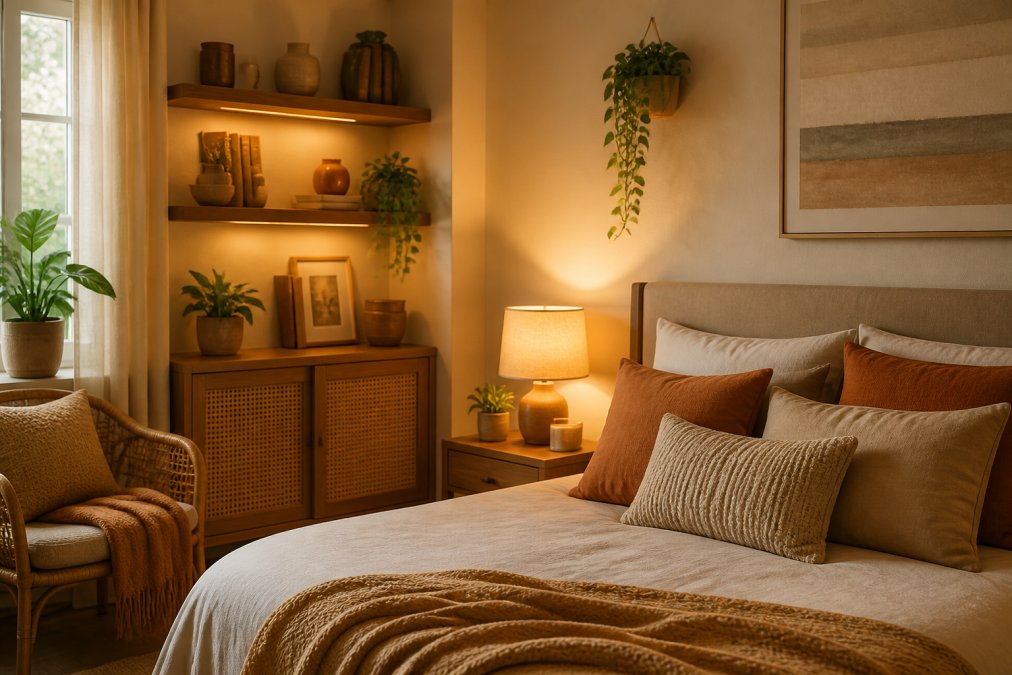
Once you've chosen warm or cool, select your base color, the neutral that will dominate 60% of your space. This is typically white, cream, gray, beige, or soft taupe. Your base color appears on walls, larger furniture pieces, and foundational textiles.
Next, add 2-3 accent colors that complement your base. These appear in throw pillows, artwork, plants, and smaller decor items. Accent colors are where personality emerges. If your base is warm gray, your accents might be terracotta, sage green, and cream. If your base is cool white, accents could be navy, blush, and gold.
The final step is choosing how saturated your palette feels. A muted palette uses softer, less intense versions of colors and feels sophisticated and calming. A vibrant palette uses richer, more saturated colors and feels energetic. Most beginners find success starting with muted tones and adding vibrancy through smaller pieces they can easily swap out.
First Apartment Essentials Checklist: The Foundation
Every aesthetic home starts with the basics. Before you invest in statement pieces or trendy accessories, you need functional anchor pieces that define your space. This first apartment essentials checklist covers what actually matters for beginners building their first cohesive home.
Bedroom essentials:
- One quality bed frame that matches your style
- Bedding in your chosen color palette (sheets, duvet, pillows)
- One nightstand
- One dresser or storage solution
- Basic window treatment (curtains or blinds)
Living room essentials:
- One sofa or seating piece
- One coffee table
- Storage solution (bookshelf, console, or cabinet)
- Window treatment
- One accent chair (optional but recommended)
Kitchen essentials:
- Basic dinnerware and glassware
- Cooking utensils and tools
- Storage containers
- One small decorative element (cutting board, plant, or small shelf)
Bathroom essentials:
- Shower curtain or glass door
- Bath towels and hand towels in your color palette
- Storage for toiletries
- One mirror or lighting fixture
The key principle here is function first, aesthetics second. A beautiful sofa that doesn't fit your space or budget creates stress, not joy. Choose pieces that work for your actual lifestyle, then layer in aesthetic details once the foundation is solid.
Most beginners make the mistake of buying too many decorative items before securing functional furniture. This leads to overcrowded spaces that feel cluttered rather than curated. Invest in quality foundational pieces first, then add personality through textiles, lighting, and smaller accessories.
Invest in Anchor Furniture and Statement Pieces
Anchor pieces are the furniture items that define a room and set the tone for everything else. These are typically larger investments, so choosing wisely matters. Your sofa, bed frame, dining table, or bookshelf acts as the visual anchor that everything else orbits around.
When selecting anchor furniture, prioritize quality and timelessness over trends. A well-made sofa in a neutral color will serve you for 5-10 years (peer-reviewed research). A trendy piece in a saturated color might feel dated in 2-3 years (peer-reviewed research). This doesn't mean boring, it means choosing classic silhouettes in your chosen color palette.
The best anchor pieces share these characteristics: they're proportional to your space, they align with your design style, and they're constructed from durable materials. A solid wood bed frame lasts longer than particle board. A leather or high-quality fabric sofa holds up better than cheap upholstery.
Statement pieces are different from anchor pieces. Where anchor pieces provide function and define space, statement pieces add personality and visual interest. A statement piece might be a bold-colored accent chair, a unique lighting fixture, or an oversized piece of artwork. Statement pieces should align with your aesthetic home essentials strategy, they should feel intentional, not random.
The rule of thumb: limit yourself to one statement piece per room. Two or more competing statement pieces create visual chaos. One well-chosen statement piece adds sophistication; multiple statement pieces feel like you couldn't decide.
Minimalist Home Decor Essentials That Work
If minimalist home decor essentials appeal to you, the goal is creating a calm, intentional space with nothing excess. Minimalism isn't about having empty rooms, it's about surrounding yourself only with items that serve a purpose or bring genuine joy.
The minimalist approach to aesthetic home essentials starts with ruthless editing. Before you buy anything new, remove items that don't align with your vision. Donate, sell, or discard pieces that feel cluttered or outdated. This creates space, literally and mentally, for intentional choices.
In a minimalist aesthetic, every item should earn its place. Your nightstand holds a lamp, a book, and a small plant, nothing more. Your shelf displays five carefully chosen objects rather than twenty. Your color palette is limited to three colors maximum. This constraint forces intention and creates visual calm.
Minimalist home decor essentials typically include: one quality bed frame, one simple sofa, one dining table, essential kitchen items, one bookshelf, simple window treatments, and minimal wall decor. The focus is on clean lines, neutral colors, and uncluttered surfaces.
The challenge many beginners face is distinguishing between minimalism and emptiness. A minimalist room should still feel warm and livable. This is where textiles and lighting become critical, a soft throw blanket, quality bedding, or warm lighting prevents a minimalist space from feeling cold or institutional.
Balance Aesthetics With Functionality and Budget
The tension between beautiful and practical is where most beginners struggle. You want your space to look intentional and curated, but you also need it to function for your actual life. Adding budget constraints makes this even more complex.
Start by accepting that perfect aesthetics and perfect functionality rarely align completely. A white sofa looks stunning but shows every stain. Open shelving displays your items beautifully but requires constant organization. Hardwood floors look elegant but are harder to maintain than carpet. Every choice involves trade-offs.
The solution is prioritizing what matters most to you. If you have young children or pets, durability matters more than pristine aesthetics, choose darker colors and stain-resistant fabrics. If you work from home, functionality matters more than showiness, invest in comfortable seating and adequate storage. If you entertain frequently, easy-to-clean surfaces matter more than delicate finishes.
Budgeting for aesthetic home essentials requires strategic spending. Invest heavily in items you use daily and will keep long-term: your bed, sofa, and dining table. Save money on items you can easily swap out: throw pillows, artwork, and small accessories. This approach lets you create a beautiful space without overspending.
One practical strategy is the 70-20-10 rule for furniture budgets: spend 70% on foundational pieces, 20% on secondary pieces, and 10% on decorative accessories. This ensures you're investing in longevity where it matters while leaving room for personality and style.
Quality doesn't always mean expensive. Look for solid construction, quality fabrics, and timeless design rather than brand names or current trends.
Lighting and Textiles: The Finishing Touches
Lighting and textiles transform a functional room into a curated space. These finishing touches are where your aesthetic home essentials truly come alive, they add warmth, texture, and personality without requiring major furniture investments.
Lighting serves dual purposes: it's functional and emotional. Harsh overhead lighting feels institutional; layered lighting feels intentional (apa.org). Create layers by combining ambient lighting (overhead or wall-mounted), task lighting (desk or reading lamps), and accent lighting (decorative fixtures or projectors). This combination lets you adjust the mood based on your needs.
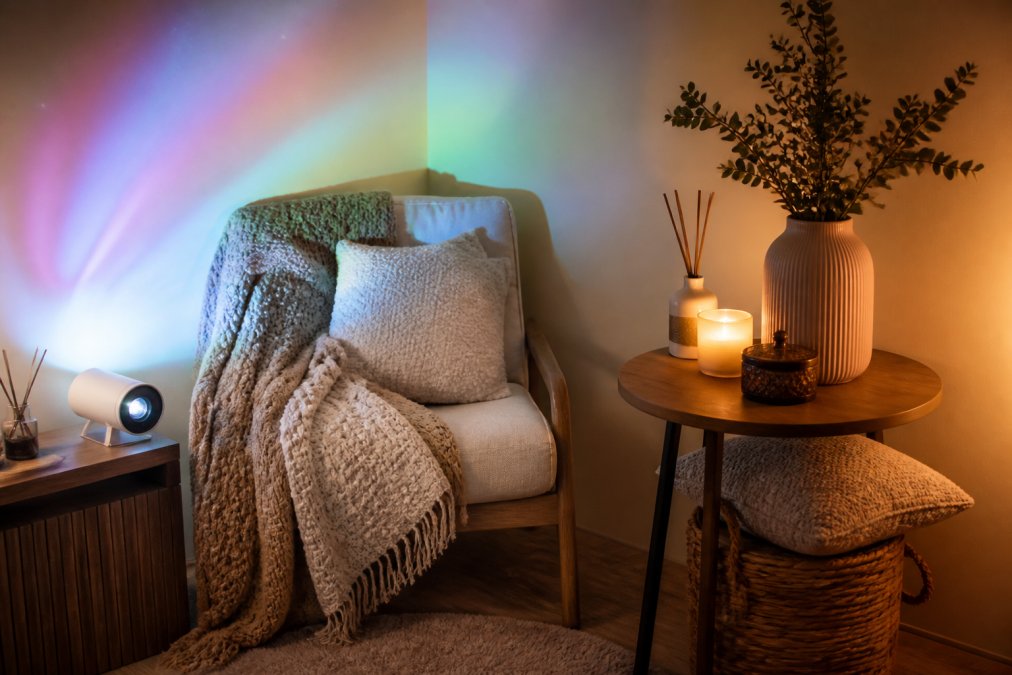
Ambient lighting establishes the baseline. Task lighting serves specific functions like reading or working. Accent lighting adds personality and visual interest. For example, the Northern Lights Star Projector from Uniq Trenz creates stunning ambient lighting that transforms any room into a calming, visually interesting space, it's both functional and decorative.
Textiles include everything soft: throw blankets, pillows, curtains, rugs, and bedding. These items add texture, warmth, and comfort to your space. They're also the easiest elements to change seasonally or when you want a refresh without major expense.
When choosing textiles, consider both texture and color. Mix smooth cotton with chunky knits, soft velvet with natural linen. Varied textures prevent a space from feeling flat or one-dimensional. Your color palette guides your selections, stick to your chosen colors and neutrals rather than adding random accent colors through textiles.
Rugs define spaces and add warmth underfoot. A rug in your living room anchors the seating area; a rug in your bedroom adds softness. Choose rugs that complement your color palette and are practical for your lifestyle. Natural fiber rugs (jute, sisal) work well in minimalist spaces; plush rugs add coziness to bohemian or maximalist aesthetics.
Throw pillows and blankets are your easiest refresh tools. You can swap these seasonally or whenever you want a change without significant expense. Keep them in your color palette but vary textures, mix solid colors with subtle patterns, smooth fabrics with tactile ones.
Curtains and window treatments affect both aesthetics and functionality. Heavy curtains provide privacy and light control but feel formal; sheer curtains feel lighter and airier but offer less privacy. Choose based on your room's function and your aesthetic preference. Your color palette should guide your selection, neutral curtains work with most styles, while colored curtains can serve as a subtle accent.
Humidity and air quality matter more than most people realize. A humidifier like the Cloud and Rain Humidifier from Uniq Trenz adds moisture to dry air while creating a beautiful visual element with its wood-grain exterior and soft LED lights. These devices serve both functional and aesthetic purposes, they improve air quality while adding to your room's ambiance.
Creating a cohesive, beautiful home as a beginner doesn't require perfection or unlimited budget. It requires clarity about your style, intentionality about your choices, and patience with the process. Start with functional anchor pieces, layer in textiles and lighting, and let your aesthetic home essentials reflect who you actually are rather than who you think you should be. Uniq Trenz makes this easier by offering curated collections of trending essentials, from lighting fixtures that double as art to humidifiers that enhance both air quality and atmosphere, all designed to help you build a space that feels genuinely yours. Start shopping and build your aesthetic foundation today.
Frequently Asked Questions
Q: What's the difference between aesthetic home essentials and just buying random decor?
A: Aesthetic home essentials follow a cohesive design vision, a consistent color palette, style, and mood throughout your space. Random decor creates visual clutter and feels disjointed. When you choose essentials that align with your personal design style, every piece serves a purpose, works together, and your home feels intentional rather than accidental. This approach saves money because you avoid impulse purchases that don't fit.
Q: How do I build a first apartment essentials checklist without overspending?
A: Start with anchor pieces: a bed frame, sofa, and dining table that match your color palette. Then add functional items like lighting, storage, and soft furnishings. Prioritize quality over quantity, one good throw blanket beats five cheap ones. Set a budget per category and shop sales. Look for pieces that serve double duty, like a storage ottoman or side table with shelves. Many trending essentials from Uniq Trenz, like the Cloud and Rain Humidifier ($78.99), add both style and function without breaking the bank.
Q: Can I mix different design styles without making my home look cluttered?
A: Yes, if you anchor everything to one dominant style and one color palette. Choose your primary aesthetic (minimalist, modern, eclectic), then add accent pieces from other styles sparingly. Limit yourself to two or three secondary styles maximum. Keep the color scheme tight, warm tones or cool tones, not both. This creates visual balance and prevents the space from feeling chaotic. Quality, intentional mixing looks curated; random mixing looks messy.
Q: What makes aesthetic home pieces actually last, or are they just trendy?
A: Durability comes down to material quality and timeless design. Invest in anchor pieces made from solid wood, quality upholstery, and metal fixtures, these last decades. Trendy accessories (throw pillows, wall art, small gadgets) can be swapped out affordably as tastes change. Choose pieces with neutral bases and add color through replaceable textiles. Products from Uniq Trenz are built for durability; for example, the Northern Lights Star Projector ($89.99) combines lasting quality with aesthetic appeal, so it works for years, not months.
This article was written using GrandRanker