

Table of Contents
- What Makes Sustainable Fashion Accessories Different
- Environmental Impact: Why Your Accessories Matter
- Benefits of Sustainable Fashion Accessories
- Sustainable Accessory Materials and What They Offer
- How to Choose Sustainable Accessories That Work for You
- How to Care for Sustainable Accessories to Maximize Their Lifespan
- Cost Per Wear: Why Sustainable Accessories Deliver Real Value
- Conclusion
- Frequently Asked Questions
Last Updated: October 19, 2026
What Makes Sustainable Fashion Accessories Different
Sustainable fashion accessories are designed and produced with intentional attention to environmental impact, ethical labor practices, and long-term durability. Unlike mass-produced accessories built for rapid disposal, sustainable pieces prioritize quality craftsmanship, responsible sourcing, and materials that won't degrade quickly in landfills.
The distinction goes deeper than marketing language. A sustainable accessory begins with material selection, choosing organic cotton, recycled fibers, or naturally renewable resources instead of virgin synthetics. It continues through production, where artisan techniques and fair wages replace exploitative supply chains. At Uniq Trenz, we curate accessories that reflect these values, including handcrafted pieces like our Handmade Woven Yarn Sunflower Handbag, which combines traditional weaving methods with durable cotton lining and thoughtful design.
The real difference emerges over time. Sustainable accessories withstand repeated use, repair, and even resale. They're made to become part of a personal style rather than fast-fashion casualties.
Environmental Impact: Why Your Accessories Matter
Textile production ranks among the most resource-intensive industries globally. The conventional accessory supply chain consumes vast quantities of water, relies on synthetic dyes that pollute waterways, and generates significant carbon emissions during manufacturing and shipping. When accessories are discarded after brief use, they compound this environmental burden, most end up in landfills where synthetic materials persist for decades.
Sustainable accessories interrupt this cycle at multiple points. Natural materials like organic cotton eliminate pesticide runoff. Recycled fibers reduce demand for virgin resources and divert waste from disposal streams. Handcrafted production typically requires less energy than factory automation, particularly when artisans work locally, cutting transportation emissions.
The accessory category matters more than many realize. While fashion often focuses on clothing, accessories are worn repeatedly across seasons and years. A single well-made bag or scarf used consistently over five years delivers dramatically lower environmental impact per wear than five disposable alternatives. This principle, durability as environmental strategy, is often overlooked in sustainability discussions but proves decisive in practice.
Benefits of Sustainable Fashion Accessories
Choosing sustainable fashion accessories delivers practical advantages beyond environmental responsibility. Quality craftsmanship translates directly to longevity. A well-constructed accessory resists wear, maintains its appearance, and functions reliably through years of daily use. This durability reduces the frequency of replacement purchases, ultimately saving money despite higher upfront costs.
Sustainable accessories also support ethical labor practices. When artisans and producers earn fair wages, they invest in skill development and quality control. This commitment to people creates better products. Handmade accessories often feature unique details and thoughtful construction that mass production cannot replicate.
Personal style benefits as well. Sustainable accessories tend toward timeless design rather than trend-chasing. A well-chosen piece works across seasons and complements multiple outfits, increasing versatility and reducing the pressure to constantly acquire new items. This approach aligns with conscious consumption, buying fewer items of higher quality that genuinely reflect personal aesthetic preferences.
Sustainable Accessory Materials and What They Offer
Material choice is where most sustainability claims are made and where most are hardest to verify. For accessories specifically, the useful comparison is not "natural versus synthetic" but durability, sourcing transparency, and end-of-life behavior for the categories people actually buy: bags, jewelry, belts, and small leather goods.
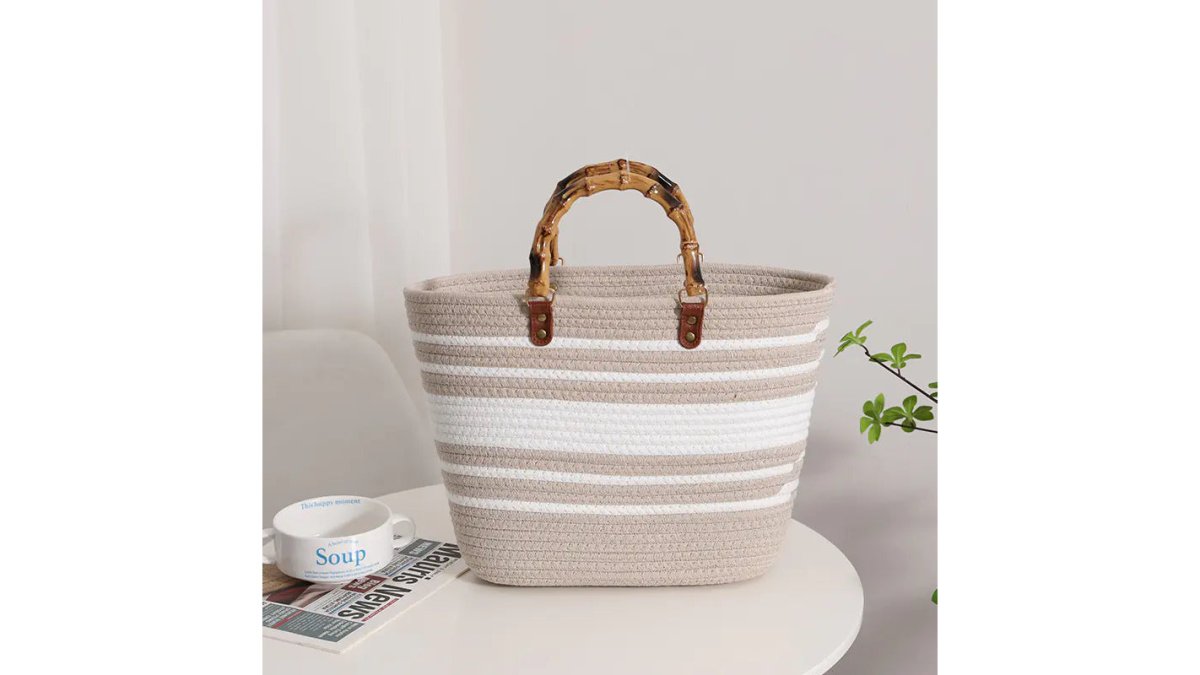
Woven and textile bags. Organic cotton and linen are the common bases. Organic cotton avoids the pesticide load of conventional cotton, and linen from flax typically needs less water and fewer inputs. The trade-off is abrasion: woven cotton yarn bags soften and can pill at high-friction points, so reinforced handles and structured linings matter more than the fiber label alone.
Jewelry. Recycled metals lower mining demand and are chemically identical to virgin metal, so there is no quality penalty. The variables that matter are plating thickness (thin plating wears through quickly), clasp and chain construction, and whether the maker discloses metal content. Artisan-made pieces often use thicker settings and hand-finished joins that resist the failure points of mass-produced jewelry.
Belts and small leather goods. Plant-based and alternative leathers vary widely. Some are durable and some crack within a season; the difference is usually coating quality and backing material, not the marketing term. Traditional chrome tanning carries chemical concerns, while vegetable-tanned leather ages well but needs conditioning.
Recycled synthetics. Recycled polyester diverts plastic from landfills and reduces virgin petroleum demand, but it still sheds microfibers and does not biodegrade. It is a reasonable choice for hardware, linings, and straps where durability is the priority, less so for items that will be washed frequently.
The honest trade-off. No material is automatically lower-impact. Organic cotton requires land and water; recycled content needs collection infrastructure; vegan alternatives sometimes require energy-intensive processing; natural fibers can biodegrade but may be treated with finishes that slow that process.
How to Choose Sustainable Accessories That Work for You
Start by assessing actual need. The most sustainable accessory is one already in your collection that meets the purpose. Before purchasing, identify specific gaps: a professional bag for work, a crossbody piece for travel, or a statement accessory for personal expression. This intentional approach prevents impulse acquisitions that sit unused.
Verify sustainability claims through available information. Look for specific details: material composition, production location, certifications from recognized standards bodies, and transparency about supply chains. Vague claims like "eco-friendly" or "conscious" without specifics warrant skepticism. Reputable producers share details about their artisans, materials sourcing, and production methods.
Consider durability as a selection criterion. Examine construction, are seams reinforced, are closures sturdy, does the material show quality finishing? Accessories from Uniq Trenz like our Striped Large Capacity Cotton Yarn Woven Tote Bag feature reinforced cotton handles and structured design built to withstand daily use. Quality indicators include weight, material consistency, and attention to detail at stress points.
Evaluate versatility before deciding. Will this piece work across multiple seasons? Can it coordinate with existing items in your wardrobe? Neutral colors and timeless designs extend usability. A bag that works for professional settings, casual outings, and travel delivers more value than a trend-specific piece with limited applications.
How to Care for Sustainable Accessories to Maximize Their Lifespan
Care is the cheapest sustainability lever you have, and for accessories it splits into four practical stages: maintain, repair, resell, and retire responsibly.
Maintain. Woven cotton and straw bags should be stored in cool, dry conditions away from direct sunlight, which fades dyes and weakens fibers. Spot clean with mild soap and water rather than harsh chemicals. Stuff bags with acid-free tissue to hold their shape and store them in breathable cloth bags, not plastic, which traps moisture and invites mildew. For jewelry, keep pieces dry, store chains flat or hanging to avoid kinks, and wipe plated items after wear to slow tarnish. Belts should be hung or rolled loosely, never folded sharply, and leather alternatives benefit from occasional conditioning with plant-based oils to prevent cracking.
Repair. Most accessory failures are fixable and cheap relative to replacement: a restitched strap, a replaced clasp, a re-glued sole edge, a restrung bead. Check whether the maker offers repairs or a repair guarantee before you buy, because that commitment is a better durability signal than any material claim. For woven bags, a local tailor or cobbler can often reinforce handles and seams for a modest fee. Keep spare hardware and buttons that come with a piece; matching replacements later is difficult.
Resell or donate. Quality accessories hold resale value that disposable ones do not. Clean the item, photograph it honestly, and disclose wear. Platforms for secondhand fashion and local consignment shops both work; donation is a reasonable fallback for pieces that are still functional. Avoid donating items that are broken unless the recipient explicitly accepts repairs, since unsellable donations often end up in export streams.
Retire responsibly. Natural fibers like cotton, linen, and untreated wood can biodegrade; check local textile recycling for woven goods. Metals should go to scrap or e-waste recycling rather than household trash. Synthetic straps and linings are the hardest to recycle, which is another reason to favor repairable construction in the first place.
Cost Per Wear: Why Sustainable Accessories Deliver Real Value
Sustainable accessories typically cost more upfront than mass-produced alternatives. The higher price reflects genuine factors: fair wages for artisans, quality materials, smaller production runs, and ethical supply chain oversight. Understanding cost per wear reframes this investment.
A sustainable accessory worn consistently over five years costs significantly less per use than five disposable alternatives purchased and discarded annually. Consider a handcrafted bag at $72.75 used three times weekly for five years: that's approximately 780 uses, yielding roughly nine cents per wear. Compare this to a $20 mass-produced bag replaced annually due to degradation, that's $100 over five years, or approximately 38 cents per wear, assuming similar usage frequency.
This calculation shifts when accounting for environmental and ethical costs. Sustainable production avoids externalized expenses, water pollution cleanup, pesticide exposure health costs, labor exploitation consequences, that conventional pricing ignores. Conscious consumers increasingly recognize that lower sticker prices often reflect hidden costs borne by ecosystems and communities rather than genuine affordability.
Quality accessories also hold value differently. Handmade pieces often appreciate in personal significance with age. Some sustainable accessories develop secondary markets for resale or exchange, recovering partial investment. Conventional disposable accessories have no resale value.
The real value proposition: investing in fewer, better pieces reduces overall spending while delivering superior functionality and personal satisfaction. This approach aligns financial and environmental interests.
Conclusion
Sustainable fashion accessories represent a deliberate choice to value durability, ethics, and environmental responsibility alongside style and function. They're not a moral obligation but a practical investment in pieces that genuinely serve their purpose over years of use.
The accessory category offers an accessible entry point into conscious consumption. A single handcrafted bag or woven tote can shift how someone approaches purchasing decisions, demonstrating that quality and sustainability need not conflict. As this awareness grows, accessory choices become expressions of personal values, choosing pieces that reflect not just aesthetic preferences but also commitment to responsible consumption.
Frequently Asked Questions
What makes a fashion accessory truly sustainable?
A sustainable fashion accessory combines three elements: responsible material sourcing (organic, recycled, or renewable materials), ethical production practices (fair wages and safe working conditions), and durability designed for longevity. It's also made with minimal environmental impact during manufacturing and can be repaired, resold, or recycled at end of life. True sustainability means the accessory's entire lifecycle, from raw materials to disposal, minimizes harm to people and the planet.
How do sustainable accessories help reduce fashion waste?
Sustainable accessories combat waste in two ways: first, they're built to last through quality craftsmanship and timeless design, so you keep them longer instead of discarding them seasonally. Second, they use recycled or biodegradable materials, reducing the demand for virgin resources and textile waste in landfills. When they do reach end of life, many sustainable accessories can be repaired, resold, or composted rather than thrown away, extending their useful life and keeping materials out of waste streams.
Are sustainable fashion accessories actually durable?
Yes. Sustainable accessories prioritize durability as a core principle because longevity reduces waste and improves cost per wear. Handmade and artisan-produced pieces often use superior craftsmanship and premium materials that withstand regular use. For example, woven natural-fiber bags like our Handmade Sunflower Handbag feature cotton lining and sturdy construction designed for years of daily use, making them far more durable than mass-produced alternatives that fall apart quickly.
How can you tell if a fashion accessory is sustainably made?
Look for clear transparency: brands should disclose material sourcing, production location, and labor practices. Check for certifications (organic, fair trade, or environmental standards). Ask whether the piece is handmade, artisan-produced, or locally manufactured. Examine construction quality, strong stitching, quality hardware, and premium materials signal durability. Read product descriptions carefully; sustainable brands explain their choices. Be skeptical of vague claims like 'eco-friendly' without specifics. Reputable brands provide detailed information about where and how their accessories are made.