

Are Trending Home Gadgets Actually Durable?
Table of Contents
- The Durability Gap: What Trending Gadgets Promise vs. What They Deliver
- Smart Home Device Lifespan: Real-World Timelines
- Signs of Low Quality Electronics to Watch For
- Planned Obsolescence in Smart Tech
- How to Maintain Smart Home Devices for Longevity
- Which Trending Gadgets Actually Last
- Conclusion: Making Durability Your Priority
Last Updated: August 14, 2026
The Durability Gap: What Trending Gadgets Promise vs. What They Deliver
Every season brings new smart home gadgets promising to transform your daily life. The marketing is compelling: sleeker design, smarter features, longer battery life. But are trending home gadgets actually durable enough to justify the investment?
A device that looks premium in the unboxing video may start showing signs of wear within months. Buttons stick. Connections drop. Firmware updates stop coming. The gadget doesn't break catastrophically, it just slowly becomes unreliable.
This isn't accidental. It's the result of how consumer electronics are designed, manufactured, and supported. Understanding this gap is essential before you spend money on any trending smart home device. At Uniq Trenz, we've spent considerable time evaluating which gadgets actually hold up over time, and we've noticed patterns that most reviews completely miss.
The real question isn't whether a gadget looks good or has impressive specs on day one. It's whether it will still work reliably in two years, three years, or five years.
Smart Home Device Lifespan: Real-World Timelines
How long should a smart home device actually last? The answer depends entirely on what you're looking at. A smart bulb operates under completely different conditions than a smart doorbell.
Most manufacturers claim impressive lifespans on paper. Philips Hue bulbs, for example, are rated for 25,000 hours of use, which translates to roughly 25 years if you run them eight hours per day. That's the theoretical maximum. Real-world usage patterns, environmental factors, and power supply consistency all affect actual lifespan.
Smart doorbells typically last three to five years before users report degradation in video quality, button responsiveness, or connectivity stability. Wireless sensors and smart locks can push toward the five to seven-year range if well-designed. But failure often means gradual degradation, slower response times, intermittent connectivity, reduced video quality, rather than total breakdown.
Mechanical vs. Electronic Components
Every smart home device contains both mechanical and electronic elements, and they fail at different rates.
Mechanical components, buttons, switches, hinges, connectors, wear out through repeated use. A doorbell button pressed hundreds of times yearly will eventually develop contact issues. A slider on a smart dimmer accumulates dust and friction.
Electronic components fail differently. Capacitors degrade over time, especially in environments with temperature fluctuations. Solder joints can crack. These failures depend on manufacturing quality, component sourcing, and thermal management inside the device.
A device with poor mechanical design fails visibly and quickly. A device with poor electronic design might work fine for years, then suddenly become unreliable. Quality manufacturers invest in both: durable switches rated for thousands of cycles and reliable capacitors with proper thermal design.
Firmware Support and Software Obsolescence
A device can be mechanically and electronically sound but become unusable because the manufacturer stops supporting it.
When a device stops receiving firmware updates, security vulnerabilities accumulate. The cloud service it depends on may change or disappear entirely. New features in your smart home ecosystem won't integrate with unsupported devices. Eventually, the device simply won't connect to your network or the manufacturer's servers.
Some devices are designed with local control, meaning they work without internet connection. Others are completely cloud-dependent. A cloud-dependent device is only as durable as the company's commitment to maintaining its servers. If the company goes out of business or decides to sunset the product line, your device becomes unusable.
Firmware support timelines vary wildly. Premium brands like Philips Hue commit to years of updates. Smaller brands might stop supporting a device within two years. You often won't know the support timeline until after purchase.
Signs of Low Quality Electronics to Watch For
Before buying any trending smart home gadget, know what to look for. These red flags signal a device won't hold up over time.
Cheap plastic construction. If the device feels light and hollow, internal components are probably mounted carelessly. Quality devices use reinforced plastic or metal housing that protects internals.
Visible gaps or loose components. A well-manufactured device has tight tolerances. If you can see gaps between panels or feel components moving inside, the device wasn't assembled carefully.
Difficult battery access. If the battery is glued in or requires disassembly to replace, the manufacturer is betting you'll throw the device away rather than repair it. Replaceable batteries signal the designer cared about longevity.
No physical reset or manual controls. Devices that depend entirely on app-based control have no fallback when the app breaks. A physical button is a sign of thoughtful design.
Unclear specifications. If the manufacturer won't publish power consumption, operating temperature range, or component sourcing information, they're hiding something. Transparent specs suggest confidence in the design.
No user reviews mentioning durability. Search for long-term reviews from people who've used the device for a year or more. Consistent complaints about degradation, connectivity issues, or short lifespan are your answer.
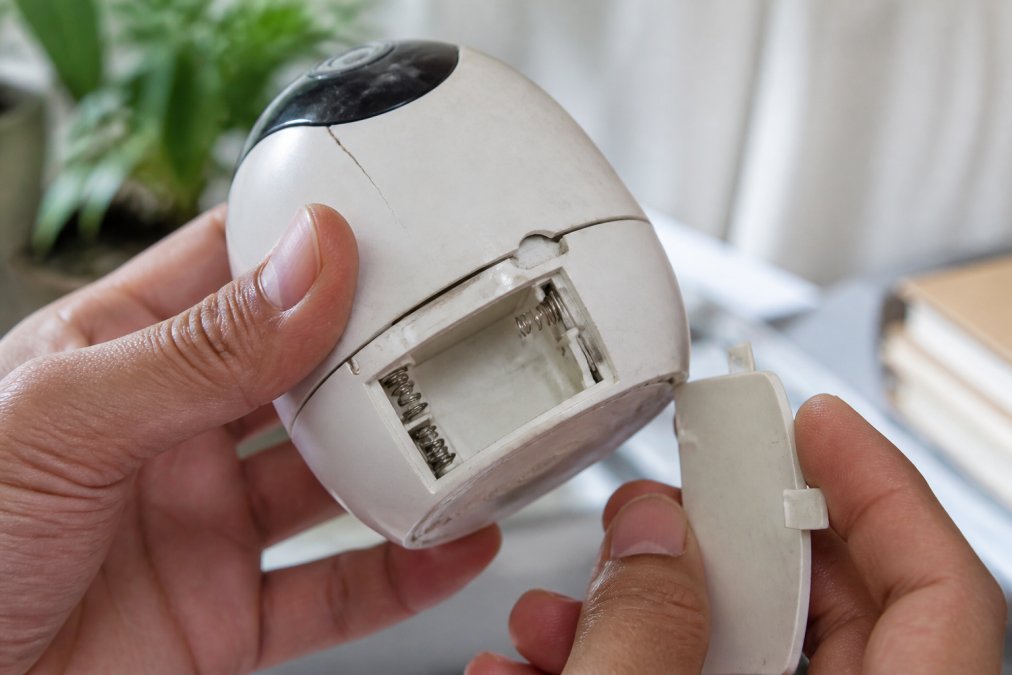
These warning signs don't guarantee failure, but they're strong predictors.
Planned Obsolescence in Smart Tech
Planned obsolescence is real in consumer electronics, and smart home devices are particularly vulnerable to it.
Planned obsolescence takes several forms: designing a device to fail after a set period, making a device impossible to repair, or designing a device that becomes incompatible with new standards or ecosystems.
Smart home devices are especially susceptible to incompatibility. A device built around an older wireless protocol may not work with your new smart home hub. A device that depends on a discontinued cloud service becomes unusable. A device that won't update to the latest security standards gets locked out of your network.
Manufacturers benefit from this cycle. They release new versions with minor improvements, positioning older models as outdated. They discontinue support for older devices, forcing upgrades. They design devices cheaper to replace than to repair.
Some manufacturers resist this pressure. They publish repair guides. They commit to long-term software support. They design devices that can be serviced. These are the companies worth buying from, even if they cost more upfront. A device that lasts twice as long effectively costs half as much per year.
How to Maintain Smart Home Devices for Longevity
You can't prevent all degradation, but you can significantly extend device lifespan with proper maintenance.
Keep firmware current. Install updates immediately. Firmware updates patch security vulnerabilities, fix bugs, and optimize performance.
Manage temperature and humidity. Electronic components degrade faster in extreme conditions. Keep devices away from direct sunlight, heat sources, and damp environments.
Reduce power cycling. Turning a device on and off repeatedly stresses capacitors and solder joints. If a device supports always-on mode without significant power draw, leave it running.
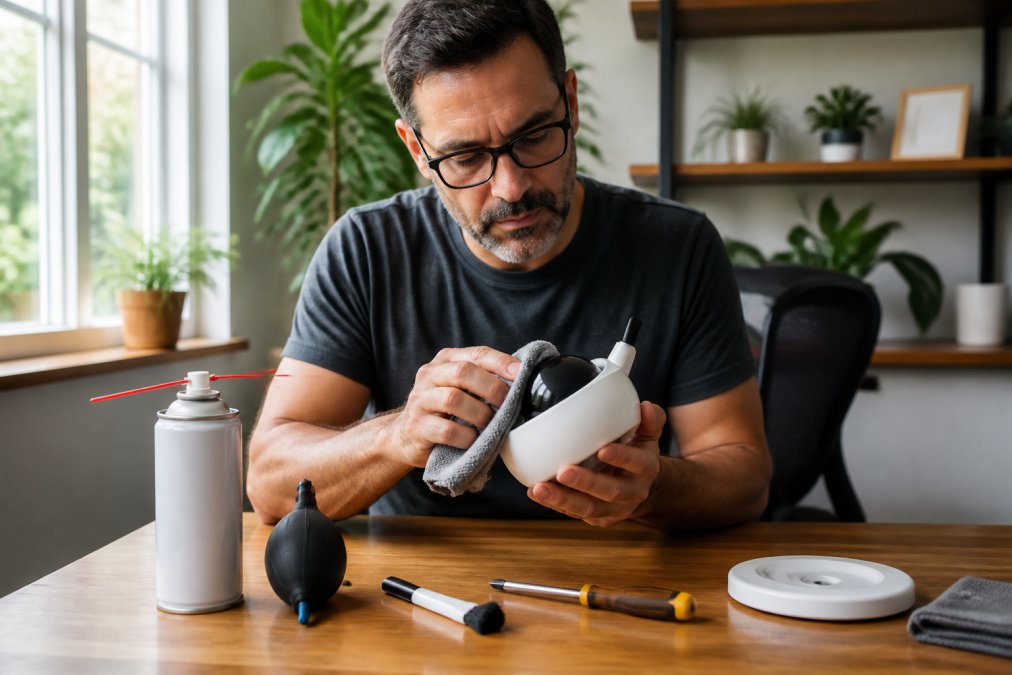
Clean connectors and vents. Dust buildup traps heat and degrades components. Clean accessible vents or connectors periodically with a dry cloth or compressed air.
Monitor for warning signs. Slower response times, intermittent connectivity, or reduced performance are early warnings. Address these issues before they become failures.
Use quality power sources. Cheap power adapters damage electronics. Use the adapter that came with the device or a certified replacement.
Predictive Maintenance and Monitoring
Most smart home devices log performance data. Check this data periodically. If a sensor reports inconsistent readings, if a bulb flickers, if a device drops connection more frequently, these signal degradation. Addressing them early prevents total failure.
Some devices support diagnostic modes that reveal internal health metrics: battery voltage, signal strength, error logs, and component temperatures. If you can access these diagnostics, use them.
Devices that are monitored and maintained last longer than devices that are ignored.
Which Trending Gadgets Actually Last
Not all trending smart home gadgets are created equal.
Philips Hue smart bulbs consistently outlast competitors. The 25,000-hour rating is realistic for normal use. These bulbs are expensive, but they justify the cost through longevity. Firmware support is reliable, and the devices work with multiple smart home standards.
Dyson cordless vacuums are expensive, but engineered for durability. The motors are strong. The battery system is serviceable. Dyson maintains parts availability for years.
Ring Video Doorbell Pro 2 is well-designed and generally reliable. The wired design is more reliable than battery-powered alternatives. Firmware support is solid. It will likely last three to five years with proper care.
The pattern is clear: devices from established manufacturers with strong reputations tend to last longer. They invest in quality because their brand depends on it.
When evaluating trending gadgets, look at the manufacturer's track record. Do they support older products? Do they publish repair information? Do they use quality components? These factors matter more than the feature list.
At Uniq Trenz, we prioritize durability when curating trending products. We recognize that the best gadget is one that actually works six months from now, not just on day one. We focus on products with proven longevity, transparent support commitments, and genuine engineering quality.
Conclusion: Making Durability Your Priority
The smart home gadget market rewards novelty over durability. New releases get attention. Established products fade from marketing focus. This creates pressure to buy the latest thing, even if what you have still works.
Resist that pressure. Durability should be your primary criterion. A device that lasts five years is objectively better than one that lasts two, regardless of which has more features.
Before buying any trending smart home gadget, ask three questions: Will this still be supported in three years? Can I repair it if something breaks? Is the manufacturer known for standing behind their products?
When you find a device that answers yes to these questions, buy it. You'll spend more upfront. You'll also spend less over time, and you won't contribute to the cycle of disposable technology.
Uniq Trenz has curated a selection of trending home gadgets that prioritize durability alongside innovation. We focus on products from manufacturers with proven track records, transparent support timelines, and genuine engineering quality. When you shop for smart home devices, prioritize longevity, and you'll find products that actually deliver on their promise.
Frequently Asked Questions
How can you tell if a trending home gadget is built to last?
Look for user-replaceable components, weatherproof design ratings, warranty coverage of at least 2 years, and firmware update schedules from the manufacturer. Check reviews for real-world performance data beyond the first month. Brands that publish device lifecycle information and repair timelines demonstrate commitment to long-term reliability. Avoid gadgets with sealed batteries or non-replaceable parts.
What is the average lifespan of modern smart home devices?
Most smart home gadgets last 3-5 years before hardware failure or software obsolescence. Premium devices like smart bulbs can reach 10+ years, while battery-powered wireless gadgets typically fail within 2-3 years due to battery degradation. Firmware support lifecycles vary widely; some manufacturers stop updating devices after 3 years, making them vulnerable to connectivity issues even if hardware remains functional.
Why do some smart home devices stop working after a year?
Planned obsolescence, poor build quality, and firmware abandonment are primary causes. Battery-powered devices suffer from rapid degradation in wireless gadgets. Connectivity issues arise when cloud infrastructure changes or local control options disappear. Mechanical failure of user-replaceable components like buttons or seals accelerates when devices lack weatherproof design. Manufacturer cost-cutting on internal components also shortens device lifecycle significantly.
Are expensive smart home brands more durable than budget options?
Generally yes, but not always. Premium brands typically invest in better build quality, longer firmware support, and repairability. However, cost-benefit analysis matters: a $50 device lasting 3 years may provide better value than a $300 device lasting 5 years. Check technical specifications, warranty terms, and user reviews for actual durability data rather than price alone. Some budget brands outperform expensive competitors on specific durability metrics.
Start shopping for gadgets built to last. Visit Uniq Trenz and discover trending products engineered for genuine durability, not planned replacement.
This article was written using GrandRanker